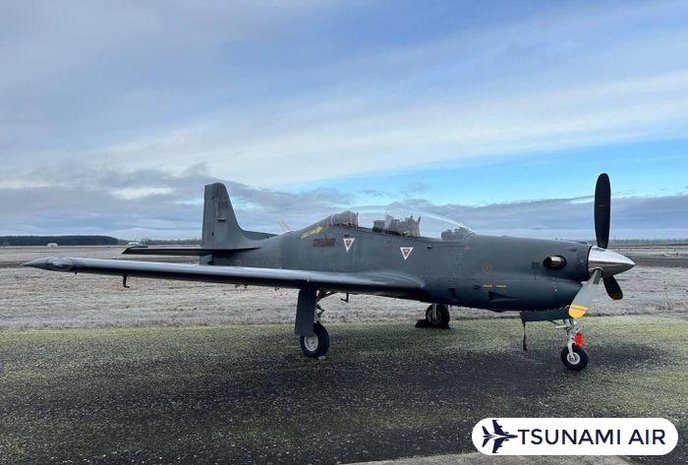
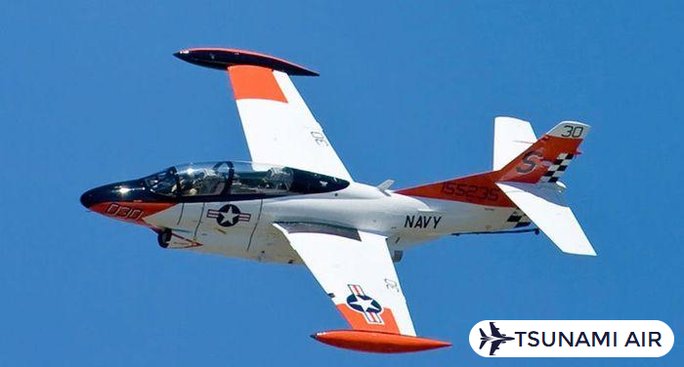
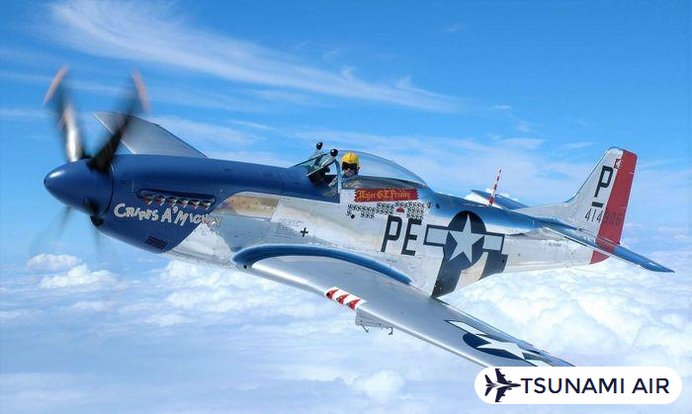
Browse, compare and buy military and WW2 era aircraft. From restored warbirds to decommissioned military planes, find a historic aircraft from sellers worldwide.
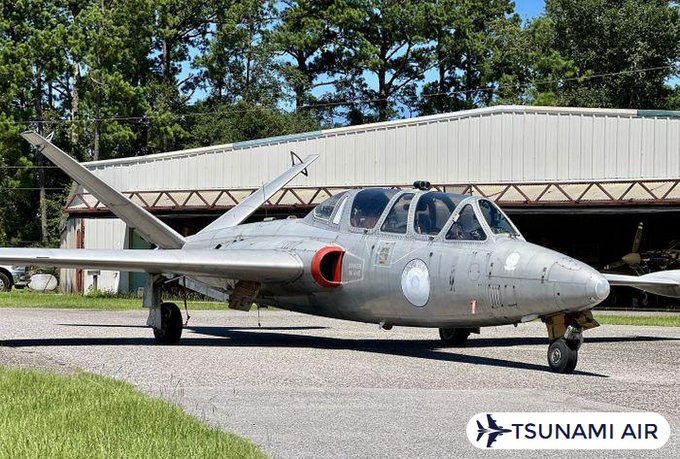
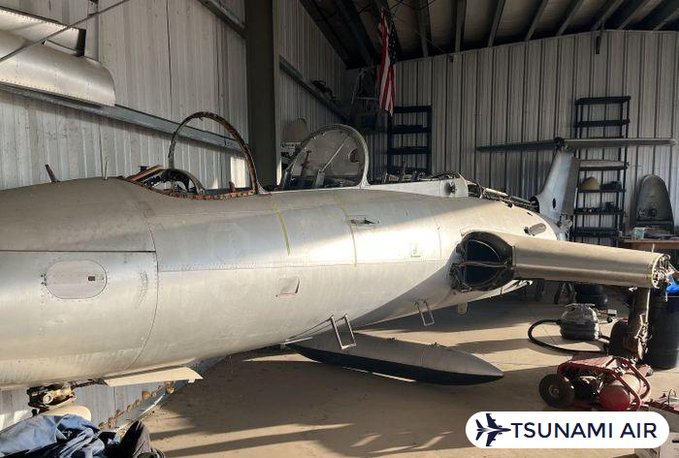
Yes, you can buy retired military aircraft, but only after they have been demilitarized. The Military does not sell tactical-type aircraft unless the aircraft have been demilitarized, a process that renders them unusable and unrestorable as weapons platforms. Once demilitarized, the jet that used to be a fighter is now enjoying its retirement in civilian hands, its weapons systems removed before it arrives in your hangar.
Acquisition routes are limited and tightly controlled. General Service Administration (GSA) auctions other types of government-owned excess property and occasionally lists military equipment, however, any aircraft is subject to removal from the market without prior notice. The Federal Aviation Administration closely regulates the ownership and operation of these aircraft, so every transfer must satisfy strict airworthiness and registration rules.
Civilians can only buy retired or decommissioned jets, they can't just buy any fighter jet ( also known as warbirds).
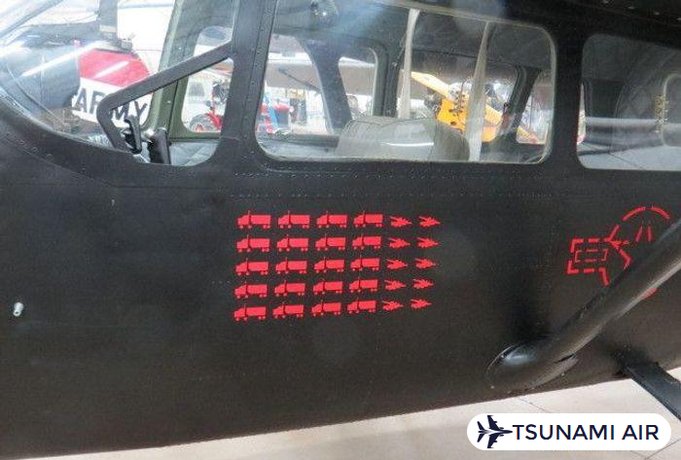
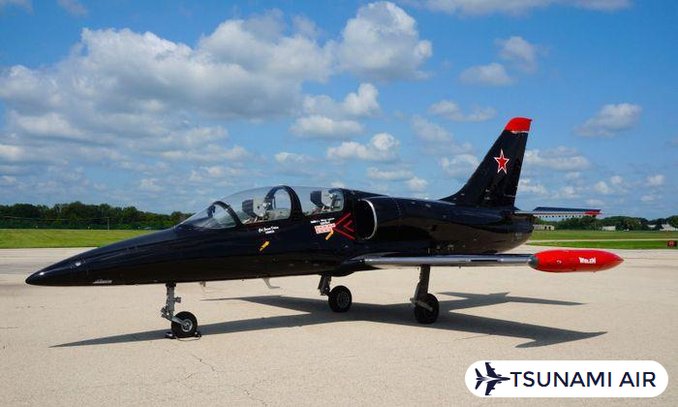
Warbirds that a civilian pilot can actually own range from piston trainers to supersonic Cold-War icons. Popular piston engine military aircraft include P-51 Mustang, T-28 Trojan, AT-6 Harvard and MiG-15. L-39 is a popular ex-military jet for civilians to own, one will be yours for $325,000. OV-1 remains one of the most exciting military aircraft for sale that civilians can get their hands on.
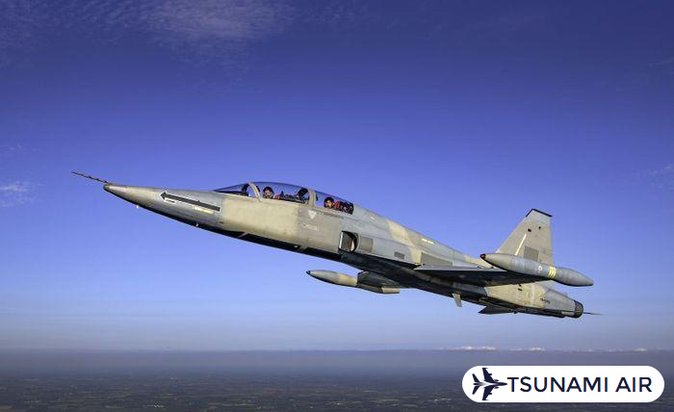
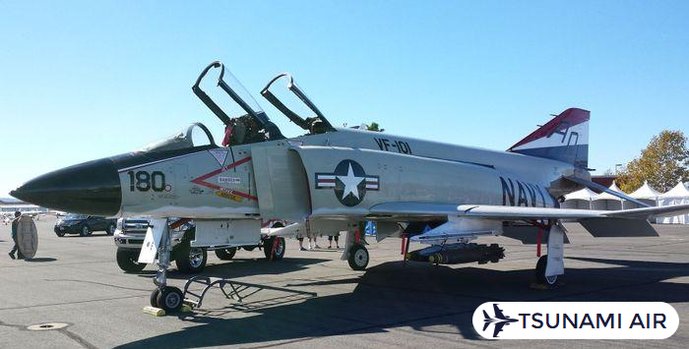
Moving up to fast jets, Soviet-era Sukhoi SU-27 became an aircraft for sale to civilians, as did MiG-29, which is purchased for around $5 million. Jared Isaacman bought Paul Allen's 1989 Cold War MiG-29 Fulcrum fighter jet, proving any civilian can buy a fighter plane once it is stripped of combat secrets. F-16A and F-18A are in the hands of private owners, but it is against the law to own a fighter jet still capable of combat operations, so avionics and weapons systems are removed. Hollywood producer Donald Bellesario attempted to acquire a flyable F-14, the sale was denied, showing that not every request is approved.
Owning one of these planes means you will still need a storage hangar, dedicated mechanics and a steady jet-fuel supply.
To buy military aircraft you need to obtain approval from FAA, customs, ATF and have cash for purchase and upkeep of warbirds.
Government surplus property is bought through GSA Auctions. GSA auctions include aircraft and aircraft parts and also include military equipment. Government auctions provide the general public a chance to bid electronically on federal assets. Government auctions sell seized and surplus property. Treasury auctions sell various types of property forfeited by owners for tax evasion or other violations of Treasury law. U.S.
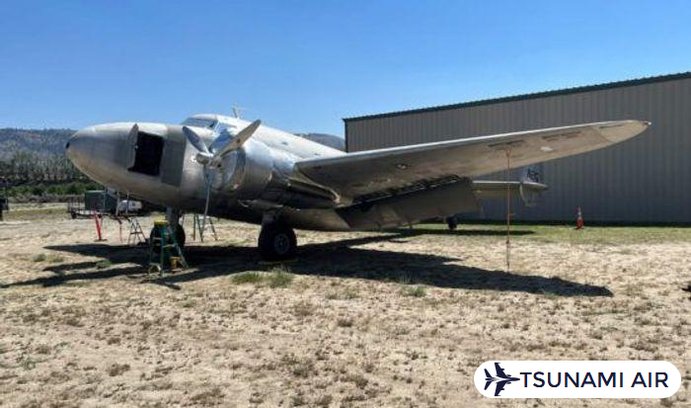
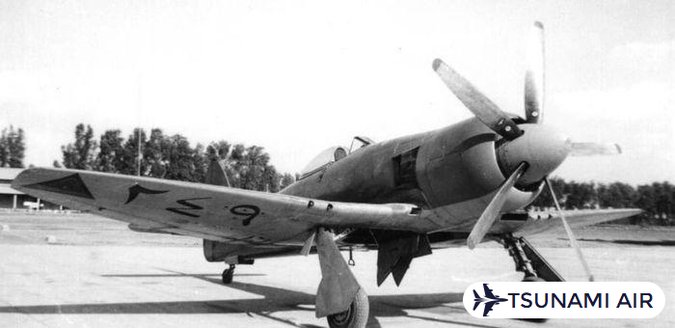
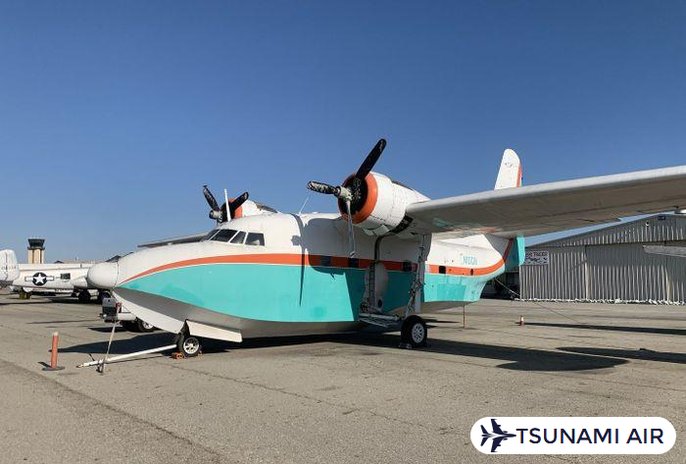
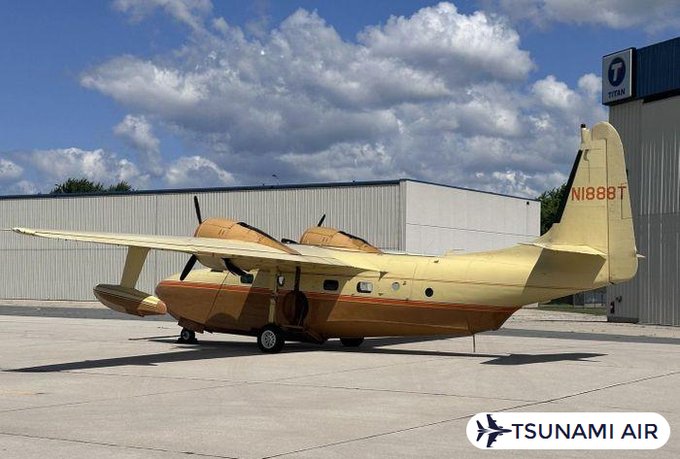
Tsunami Air s is one of the foremost dealers in rare, exceptional collector warbird aircraft and enjoys a worldwide reputation for professionalism and integrity. Our company offers an inventory of warbird fighters.
Where do the airframes first enter the civilian supply chain? Government disposal has historically been staged through several facilities and agencies. The War Assets Administration (WAA) and, later, the Reconstruction Finance Corporation (RFC) released thousands of surplus aircraft after World War II. Present-day disposal is handled through General Service Administration (GSA) auctions, where aircraft and aircraft parts appear alongside other military equipment.
Two well-known storage sites became primary sources for restorable projects. Kingman Army Air Field boneyard, located in Arizona, and Walnut Ridge boneyard both stored aircraft awaiting scrapping, and many of their airframes were sold instead to civilians. Davis-Monthan Air Force Base, also in Arizona, and Warner Robins in Georgia continue to hold storage fleets, but direct civilian purchases now go through the GSA rather than on-site sales.
Yes you can buy a military cargo plane, as long as the plane is no longer equipped with weapons, military mission systems, advanced engines or other classified equipment that carry national security classifications.
Typical listings of military cargo planes include the Boeing 747 Freighter, which can transport over 140 tons of cargo, the Lockheed C-130 Hercules turboprop, the strategic Antonov An-124 and new-build dedicated freighters or converted freighters derived from narrow-body and wide-body jets. Airbus also offers the A350F with a range of 4,700 nautical miles and the versatile A400M airlifter, while the smaller C295 serves as a robust tactical transport.
Whichever airframe is chosen, the buyer must meet FAA regulations for airworthiness and comply with strict civil regulations.
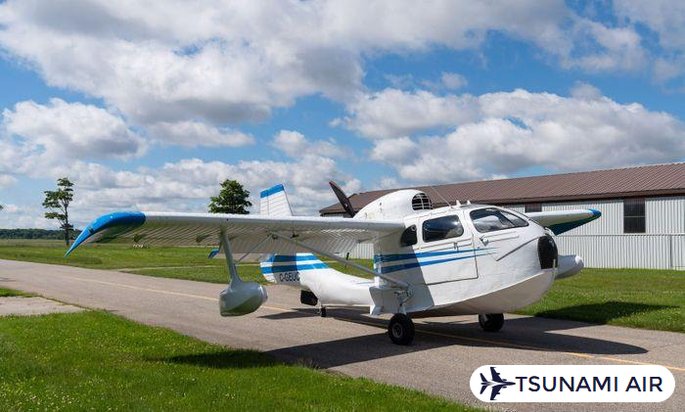
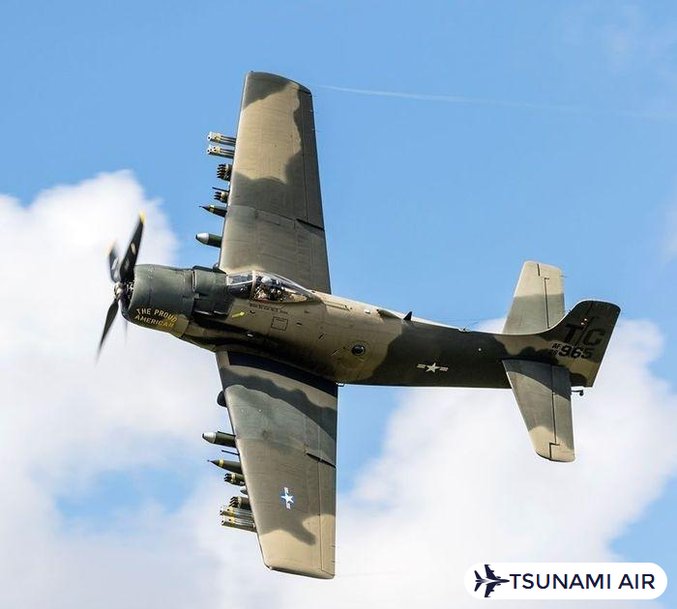
Yes-vintage, antique, historic, and classic airplanes are openly brokered in the United States. Tsunami Air now features such types as the 1943 Boeing E-75 Stearman, 1940 Ryan STM-S2, 1952 Douglas AD-4NA Skyraider, and 1943 Beechcraft Staggerwing D-17SC.. The Federal Aviation Administration closely regulates ownership and operation of these aircraft, therefore brokers research and file all appropriate paperwork with the FAA, suggest mechanics, and schedule showings for qualified buyers. The Vintage Aircraft Association, an EAA division that publishes Vintage Airplane magazine and connects members through local chapters, invites every purchaser to add the association to existing EAA membership so that new owners become active stewards of aviation history.
Yes, you can buy WW1 aircraft as kits or finished replicas. Sopwith WW1 Aeroplane Kits are offered by KipAero, Airdrome Aeroplanes, and War Aircraft Replicas. These kits include Pup, Camel, Triplane, and 1 Strutter models. They come pre-cut, welded, and ready-to-assemble, made to original specification using period correct materials. Assembled kits take approximately 2,000 man hours. Sopwith Camel is available in kit form or pre-assembled for experienced vintage pilots. Sopwith Pup is one of the most admired and appreciated WW1 aircraft and is available in kit form or assembled.
Museum aircraft are usually donated as a loan with strict limits on their use, so the institution cannot sell them. Most of the ones in museums were donated as a loan, and the loan has strict limits on sending the aircraft to be shown elsewhere. Because museums receive aircraft as a loan the ownership stays with the donor, and the museum only displays the plane.
There are exceptions, yet they still flow from the same donation rule. When staff at GSA enabled a museum to acquire a historic Fairchild aircraft, the transfer was arranged as a permanent educational loan, not a sale. Likewise, the Hagerstown Aviation Museum will use an RC-26B to tell the untold stories of a special unit, but that RC-26B is on indefinite loan, not offered to private buyers. Even large, well-funded institutions like the National Air and Space Museum, whose collection includes 365 results and aircraft from Germany, the Netherlands, and the Federal Republic of Germany, hold those airframes under the same principle: museums receive aircraft as a loan with strict limits, and the National Air and Space Museum collection therefore remains withdrawn from commerce. Therefore, a patron can admire a Boeing B-17G Flying Fortress, a Super Guppy, or any other National Air and Space Museum aircraft, yet cannot purchase the machine itself, only approved surplus gift-shop souvenirs leave the premises with a visitor.